
Key Takeaways
- Optometrists handle routine eye exams, prescriptions, and disease management.
- Ophthalmologists are medical doctors who perform eye surgery and treat complex conditions.
- Most people start with an optometrist for everyday eye care needs.
- Optometrists refer to ophthalmologists when a condition requires surgery or specialist care.
- Regular eye exams can catch problems early, even when you have no symptoms.
You need to book an eye appointment, but you’re not sure which type of doctor to call. It’s a common source of confusion, and the titles don’t exactly make it obvious. Both optometrists and ophthalmologists care for your eyes, but they do very different things. For most everyday eye care needs, a comprehensive eye care practice covers far more than people expect.
An optometrist is your primary eye care provider for eye exams, prescriptions, and disease management, while an ophthalmologist is a medical doctor focused on eye surgery and complex eye conditions. Knowing the difference helps you get the right care without any unnecessary detours.
Different Roles in Eye Care
Think of it like your family doctor versus a surgeon. Your family doctor handles most of your health needs and refers you to a specialist when the situation calls for it. Eye care works the same way.
An optometrist is your front-line provider. They perform eye exams, write prescriptions for glasses and contact lenses, detect conditions like glaucoma and macular degeneration, and manage ongoing eye health.
An ophthalmologist steps in for surgery, such as cataract removal or procedures related to serious conditions like diabetic retinopathy.
These professionals work together, with optometrists referring you when your needs go beyond routine care.
What an Optometrist Does for You
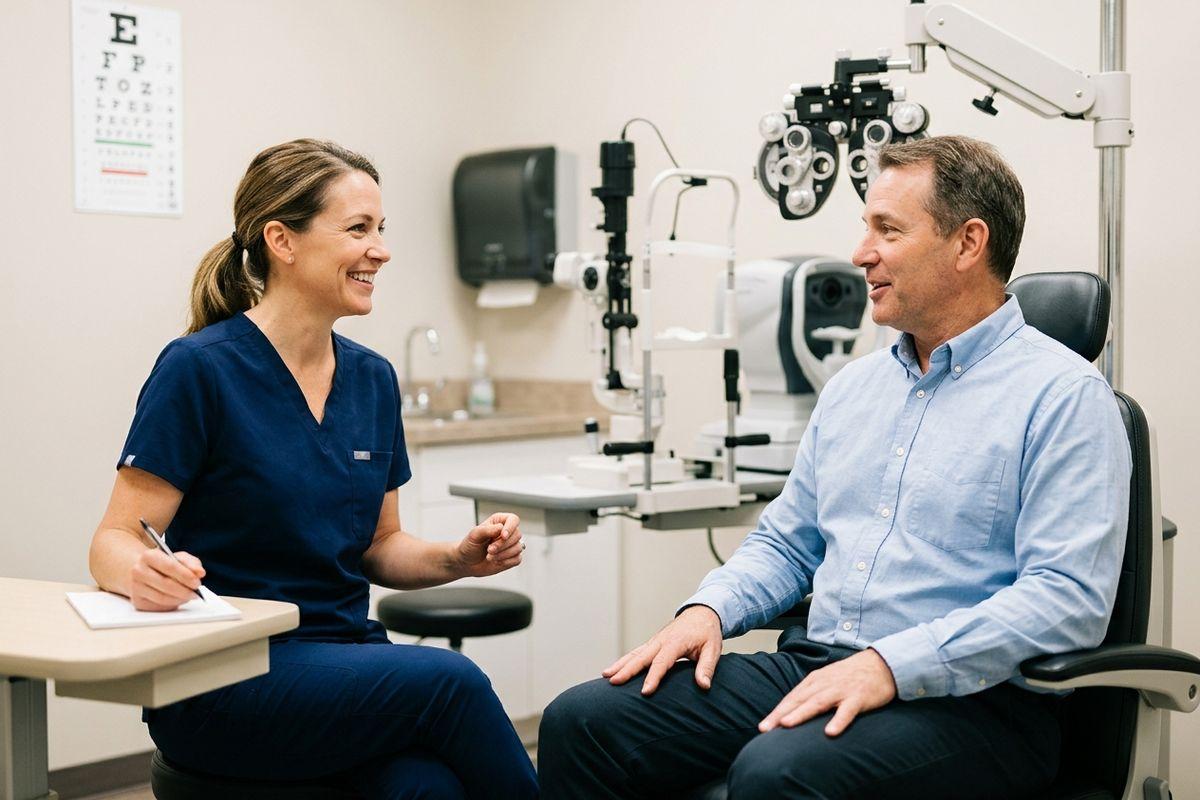
A visit with an optometrist goes far beyond reading letters off a chart. We conduct a thorough assessment of your visual performance and the internal health of your eyes, building a complete picture of your ocular wellness. During your appointment, we provide:
- Precision vision testing to update your glasses or contact lens prescriptions.
- Comprehensive health screenings to detect and manage conditions like glaucoma, dry eye, and diabetic eye disease.
- Specialized pediatric care, including active myopia control programs to slow the progression of nearsightedness.
- Further coordination for cases requiring surgical care through trusted referrals to ophthalmologists.
When to Book an Appointment
You don’t need to wait until something feels wrong. Routine exams every 1 to 2 years are a practical way to stay on top of your eye health. If you notice blurry vision, eye strain after screen time, or headaches that seem to follow you through the day, those are all good reasons to book sooner. You can book an eye exam online and find appointment times that work around your schedule.
What an Ophthalmologist Does for You
Surgical and Specialist Eye Care
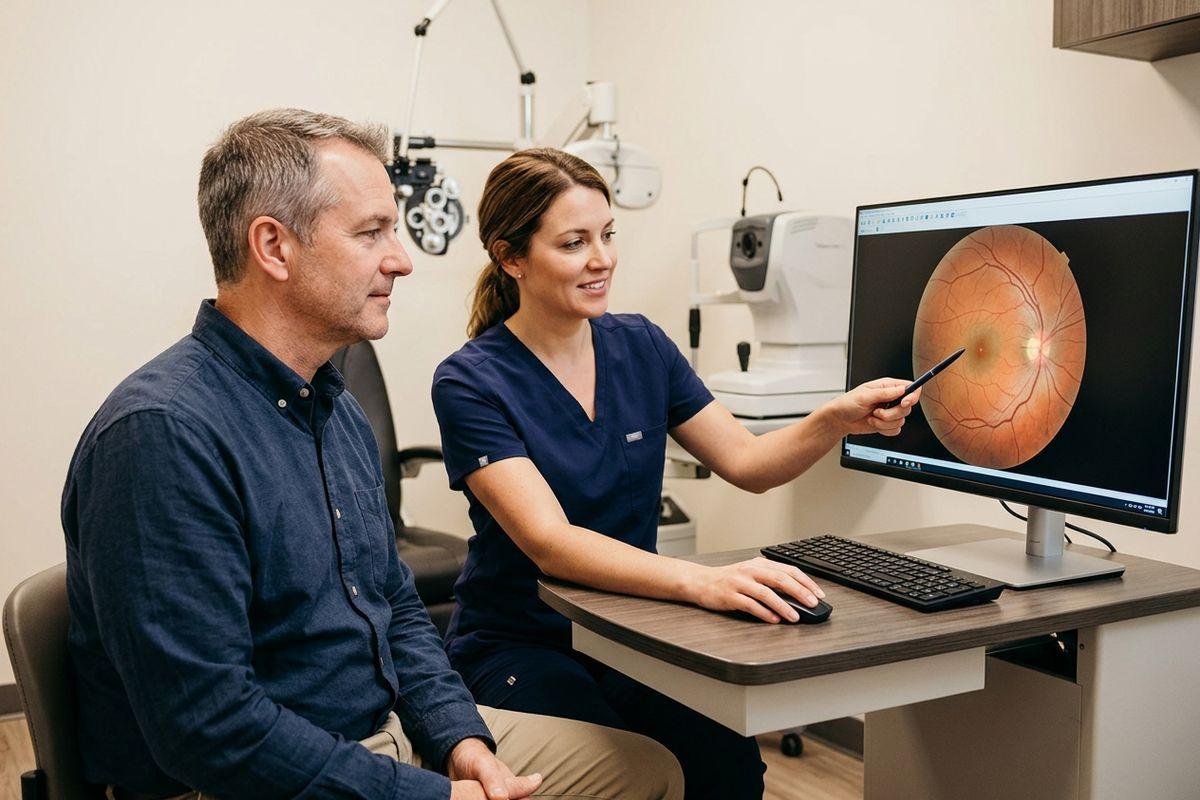
Ophthalmologists complete medical school and additional years of surgical training specifically focused on the eye. That depth of training means they handle conditions that require procedures your optometrist isn’t licensed to perform, including:
- Cataract surgery
- Glaucoma procedures
- Treatment for diabetic retinopathy and other retinal conditions
When You Might Need a Referral
Your optometrist is your first point of contact for eye health, and they are trained to identify exactly when a specialist referral is needed. While routine care covers most needs, your awareness of sudden symptoms plays a crucial role in timely treatment. Some situations require immediate intervention from an ophthalmologist, making it vital to recognize these warning signs:
- Sudden or significant changes in your vision that occur without warning.
- Persistent eye pain that arises without a clear or temporary cause.
- Progression of a condition beyond the scope of what routine office care can manage.
If you experience these symptoms, contact your clinic right away to determine the next steps for your care.
Eye Care for Every Stage of Life
Our team at Bluewater Optometry offers personalized care across every stage of life, from children’s eye care and myopia control to dry eye treatment, contact lens fittings, and disease monitoring for adults and seniors. Booking a visit is a practical step toward staying ahead of problems before they affect your day-to-day life. Reach out to Bluewater Optometry in Sarnia to schedule your next eye exam.