
Key Takeaways
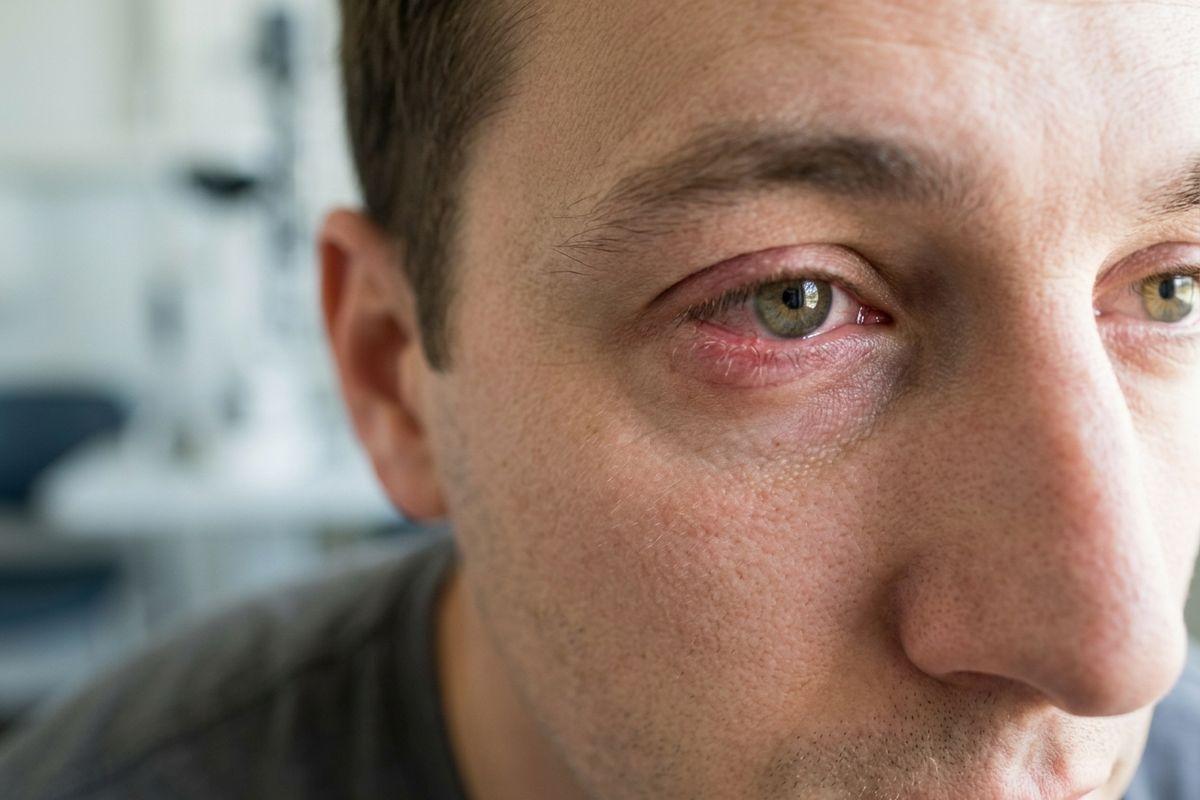
- Redness, discharge, and crusty eyelids are common early signs of an eye infection.
- Blurred vision, significant pain, light sensitivity, or coloured discharge can signal a problem that needs prompt attention.
- Poor contact lens hygiene and minor eye injuries can raise your risk of an eye infection.
- Dry eye and allergies can look similar to an infection.
Your eye feels irritated, maybe a little red, and you woke up with your lashes stuck together. At first, it’s easy to brush off as a rough night’s sleep or too much screen time, but those small signs can point to something more significant. At Bluewater Optometry, we want you to understand the signs that it may be time to see an eye doctor for a possible eye infection.
An eye infection can happen when bacteria or viruses affect your eye or eyelid, and the signs can range from mild redness to discharge and sudden vision changes. Knowing what to look for helps you act quickly and get the right care before symptoms get worse.
Common Signs Your Eye Might Be Infected
Most eye infections share a handful of recognizable signs. Everyone is different, so you may notice any combination of these symptoms:
- Redness, swelling, or discharge from the eye
- Scratching, burning, or a gritty sensation, like something is stuck in your eye
- Crusty eyelids or lashes, especially after waking up in the morning
Crust along the lash line can occur when discharge dries overnight, but it does not reveal the cause on its own. Conjunctivitis, blepharitis, and other conditions can all produce similar buildup. Keep in mind that several eye conditions can mimic infection symptoms, so a proper diagnosis matters more than a quick guess.
Early Symptoms and More Serious Warning Signs
Signs That Show Up First
Early symptoms tend to feel like minor discomfort, so you might not even be sure anything is wrong at first. In the beginning, an eye infection can feel like:
- Watery eyes, mild irritation, or sensitivity to bright light
- Eyelids that feel puffy or unusually heavy
These early signs often overlap with allergies or dry eye, which makes them easy to dismiss. If they stick around or get worse, it’s worth checking in with an optometrist.
Signs That Need Prompt Attention
Some symptoms go beyond mild discomfort and should not be left to resolve on their own. These can include symptoms like:
- Blurred vision or a sudden change in how clearly you can see
- Moderate or severe eye pain, especially with light sensitivity
- Redness or pain in a contact lens wearer, particularly with blurred vision
Vision changes, in particular, are a signal that emergency eye care may be necessary. Any time your sight is affected, getting an eye exam in Sarnia sooner rather than later is a good idea.
What Can Cause an Eye Infection
Everyday Risk Factors
Certain habits and situations increase the risk of eye infections. For example, if you sleep in your contact lenses or don’t follow recommended hygiene practices, you are at a higher risk for an eye infection.
Minor injuries or scratches can also raise infection risk by damaging the eye’s protective surface. Eye injuries should be assessed promptly, especially when pain, light sensitivity, or blurred vision is present.
If you wear contact lenses and have noticed any irritation lately, that’s a good reason to schedule a contact lens exam and fitting. Proper lens care is one of the most straightforward ways to lower your infection risk.
Conditions That Mimic Eye Infections
Not every red, irritated eye means you have an infection. There are conditions that can look very similar to an eye infection, like dry eye and allergies.
- Dry eye can produce redness, burning, and a gritty feeling that mirrors infection symptoms
- Allergies may cause discharge, swelling, and watery eyes without any bacterial or viral source
A proper eye exam helps sort out what’s actually going on. Dry eye treatment and allergy care look different from infection treatment, so getting the right answer matters.
What to Do and What to Avoid When You Notice Symptoms
Helpful Steps to Take
If you notice signs of an infection, a few simple steps can help protect your eyes and stop symptoms from spreading.
First, remove your contact lenses and switch to glasses right away until you can see an eye doctor. It’s also important to avoid rubbing your eyes, because that can spread bacteria and make things worse.
Habits to Avoid
A few common habits can slow recovery or spread the infection to others. When dealing with an eye infection, try to avoid:
- Wearing makeup or contact lenses while symptoms are present
- Sharing towels, pillowcases, or eye drops with anyone in your household
- Using expired or shared eye drops, which may be ineffective or contaminated
Eye infections, especially ones like bacterial or viral pink eye, can spread easily through contact. Keeping your hands clean and your personal items separate goes a long way.
When to See an Optometrist About Your Eyes
Mild irritation may improve with basic care, but infection-like symptoms can require an assessment. Contact an optometrist rather than waiting if you notice: If you notice:
- Symptoms that do not begin improving within a day or two
- Symptoms get worse instead of better
- Vision changes or significant pain alongside redness or discharge
- Recurring infections or symptoms that keep coming back
Book an assessment with our team so we can identify the cause and recommend appropriate care. If you wear contact lenses and develop a red, painful, light-sensitive, or blurry eye, remove the lenses and seek same-day advice.
Schedule Your Eye Exam
Our team at Bluewater Optometry offers thorough eye exams for patients of all ages, including children. If something feels off with your eyes or your child’s eyes, reaching out to an optometrist near you is a good idea. Let’s get you the answers you need: Book your appointment today.