
Key Takeaways
- Glaucoma involves damage to the optic nerve, often linked to fluid buildup and raised pressure inside the eye.
- Glaucoma can also develop when eye pressure sits in the normal range.
- Open-angle glaucoma builds slowly, while angle-closure glaucoma can come on suddenly.
- Family history, diabetes, age (being 40+), and strong prescriptions can all raise your chances.
- Early glaucoma often has no symptoms, so regular eye exams matter.
The Optic Nerve & Glaucoma
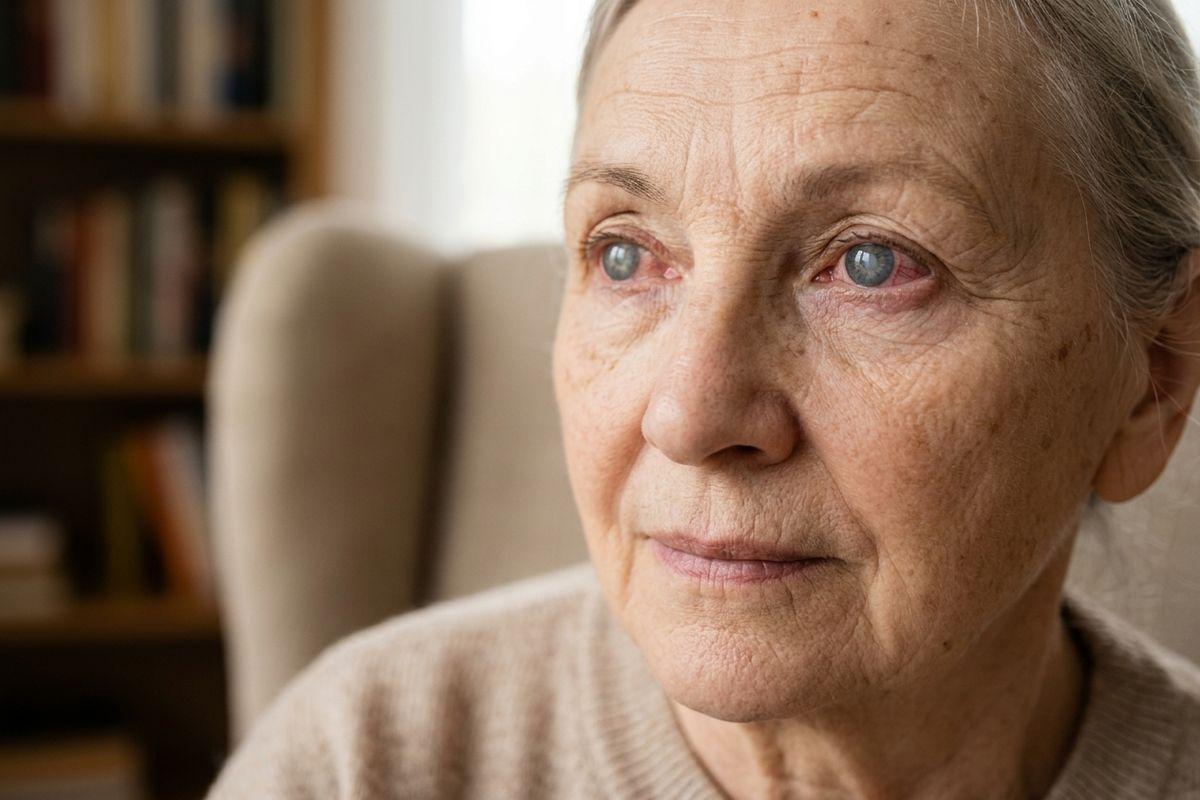
Glaucoma progresses silently, so you often don’t notice a thing even as it begins to affect your vision. In many cases, there’s no pain, no blur, no red flag in the mirror. That’s what makes this condition tricky for so many people in Sarnia and the surrounding communities to manage.
Glaucoma happens when the optic nerve, the cable carrying images from your eye to your brain, becomes damaged. This often occurs when fluid builds up inside the eye and raises internal pressure. Because glaucoma develops silently, our team at Bluewater Optometry recommends regular eye exams and ongoing eye disease management.
What Happens Inside Your Eye with Glaucoma
Your eye creates and drains fluids in a steady cycle. When drainage slows down, fluid starts to collect and pressure inside the eye climbs. Over time, that pressure can damage the optic nerve fibres. This is the most common form of glaucoma.
A rarer form of the condition called normal-tension glaucoma damages the optic nerve even while eye pressure remains normal.
Types of Glaucoma & What Contributes to Them
Open-Angle Glaucoma
This type is the one you’re likely to hear about. It happens when the eye’s drainage system works too slowly, resulting in higher pressure inside the eye. Over time, and if left untreated, it can cause permanent vision loss.
Angle-Closure Glaucoma
In this form of glaucoma, the iris (the coloured part of your eye) blocks the drainage angle. Pressure can rise fast, sometimes within hours, and the symptoms are hard to ignore.
Secondary & Childhood Glaucoma
Sometimes glaucoma is caused by another condition. An eye injury from a hockey puck or a flying wood chip, inflammation inside the eye, or a past eye surgery can all contribute to the condition. Long-term use of steroid drops is another factor.
In some cases, children may develop glaucoma, often due to structural differences in the eye at birth.
Risk Factors That Raise Your Chances
Glaucoma is partly genetic, so certain health and family patterns make closer monitoring worthwhile. The factors that raise your risk include:
- Being 40 or older, with risk climbing as the years go on.
- A parent, sibling, or grandparent has glaucoma.
- Ethnic background, since some groups face higher rates.
- Diabetes, high blood pressure, or migraines.
- Thin corneas, as measured during an eye exam.
- Strong nearsightedness or farsightedness.
Early Signs to Watch For
Slow-Moving Symptoms
Many people don’t notice symptoms at first. When changes do appear, they tend to affect the edges of your vision. Symptoms may include:
- Patchy blind spots in your side vision.
- Vision that looks blurred or dimmer than it used to.
Sudden Symptoms and Urgent Eye Care
Angle-closure glaucoma develops quickly and has significant symptoms. Reach out for urgent eye care if you notice any of the following:
- Severe eye pain that comes on quickly.
- Headache paired with nausea or vomiting.
- Rainbow-coloured halos around lights.
- A red eye with sudden blurred vision.
How Eye Exams Help Protect Your Vision
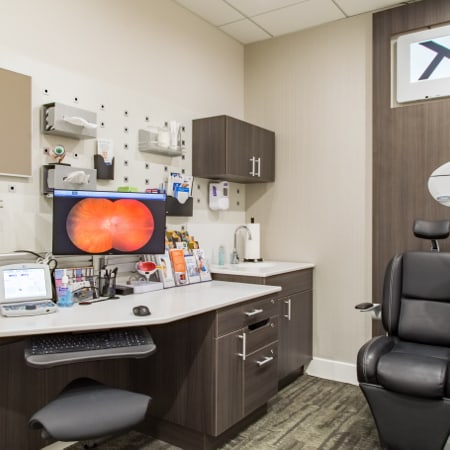
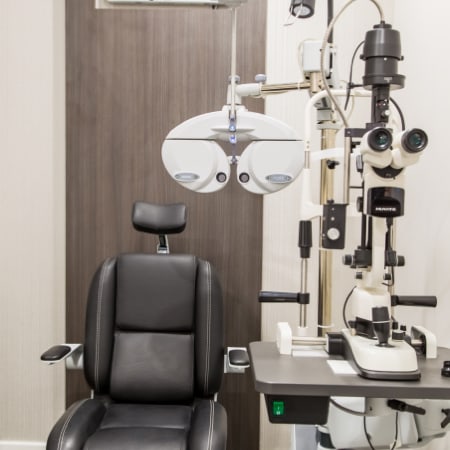
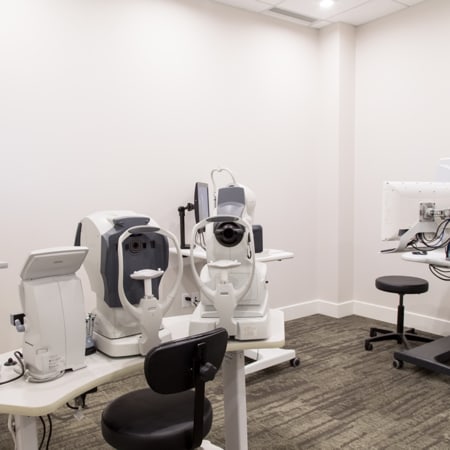
A glaucoma check is quick and comfortable. We measure the pressure inside your eye, then we look at the optic nerve to check its shape, colour, and thickness. Digital scans map the nerve layer, so that we can compare your eye health year after year.
If you’re at risk of glaucoma, yearly eye exams in Sarnia allow our team to monitor your vision. Catching a shift early means that treatment can start sooner and gives us more options to manage the condition.
Book Your Next Eye Exam
Glaucoma moves quietly, so the sooner you know you have it, the more options you have for treatment or management. Whether you’re due for a checkup, managing diabetes, or curious because a parent has glaucoma, our team at Bluewater Optometry can walk you through what your results mean.
Looking for an optometrist near you in Sarnia? Book an appointment with Bluewater Optometry, where care covers everything from children’s eye care and myopia control to contact lenses, dry eye treatment, and ongoing disease management for every stage of life.