
Small changes in your vision can make you wonder about your eye health and if it’s time for a check-up. While some people may think eye exams are just for those who need glasses, they actually involve much more than just reading letters on a chart.
A comprehensive eye exam is a complete review of your vision and eye health, going far beyond a simple vision screening. It’s one of the best ways to get a detailed picture of what’s happening with your eyes, not just how clearly you see.
What Happens During Your Eye Exam
A simple vision screening, or sight test, only checks how clearly you can see. A comprehensive eye exam is much more thorough. These detailed eye exams are designed to review your overall eye health and how your entire visual system works.
By looking at the complete picture, your optometrist can identify potential issues early on. This helps protect your sight and keep your eyes feeling comfortable for years to come. During your exam, you can expect a series of simple tests designed to give a full picture of your eye health. The process is straightforward and tailored to your specific needs.
Here are some of the steps in an eye exam you can expect:
A Talk About Your Health and Vision History
Your visit often starts with a friendly conversation. You get to share your general health background, any family health history, and vision concerns you may have noticed. This talk helps your eye care team understand your unique situation and prepare for which tests you can most benefit from.
Visual Acuity Test
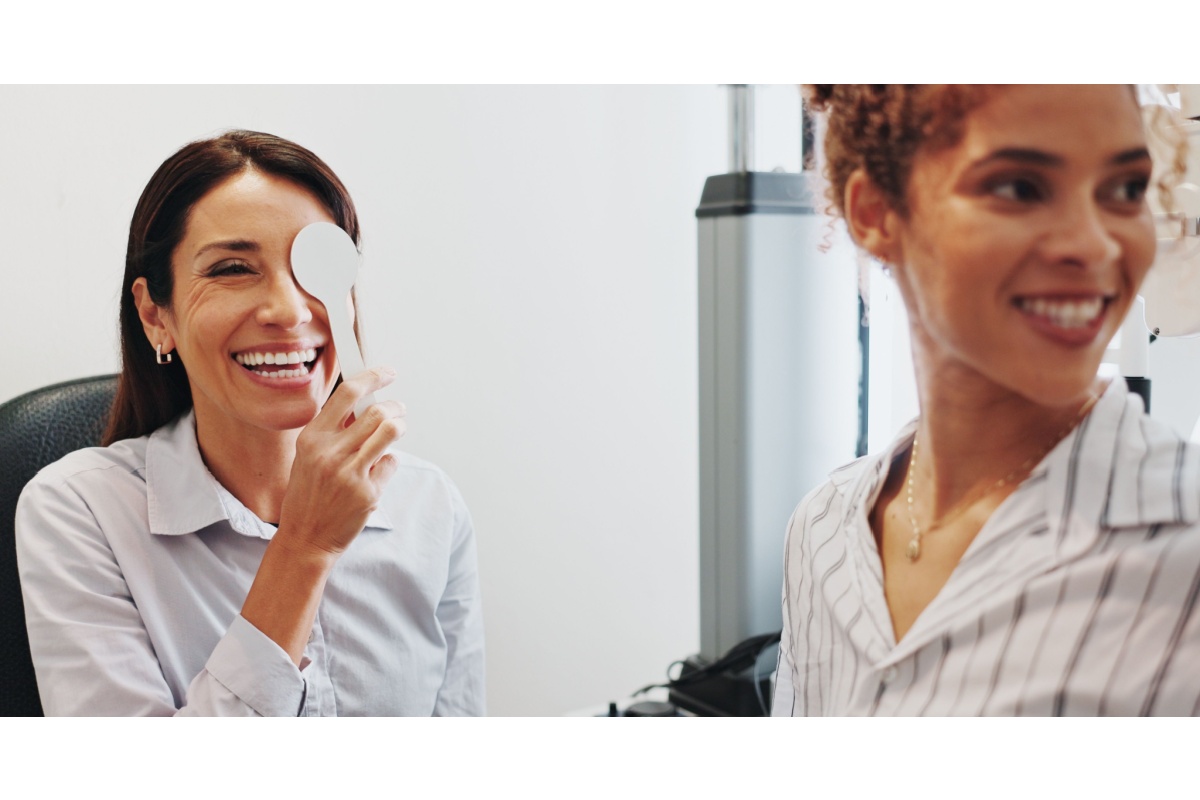
A visual acuity test checks how clearly you see at different distances. You’ll likely look at a letter chart to determine whether you need glasses or an updated prescription.
Eye Coordination Test
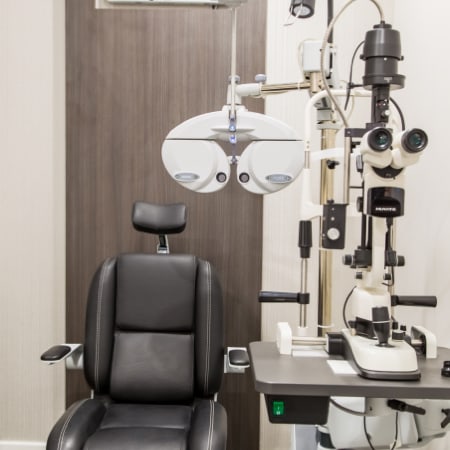
Your optometrist can also check how your eyes focus, move, and work as a team. These simple checks can identify any issues with eye coordination or how you perceive depth.
Eye Health Exam
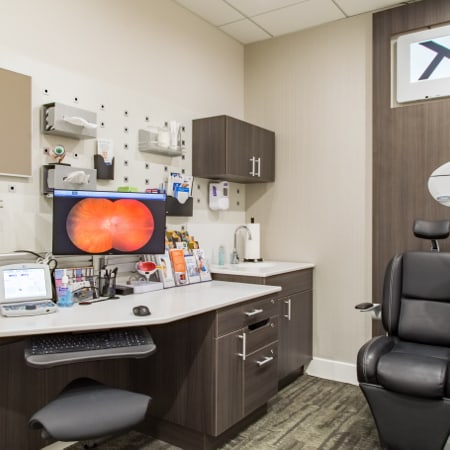
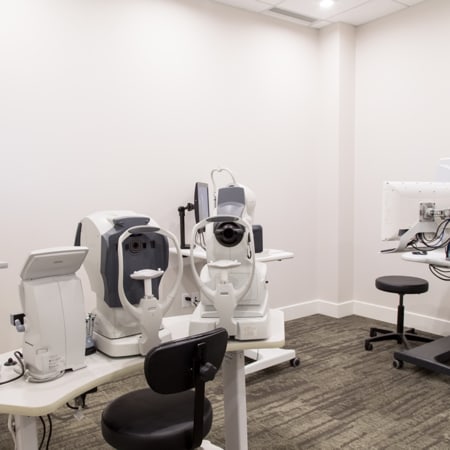
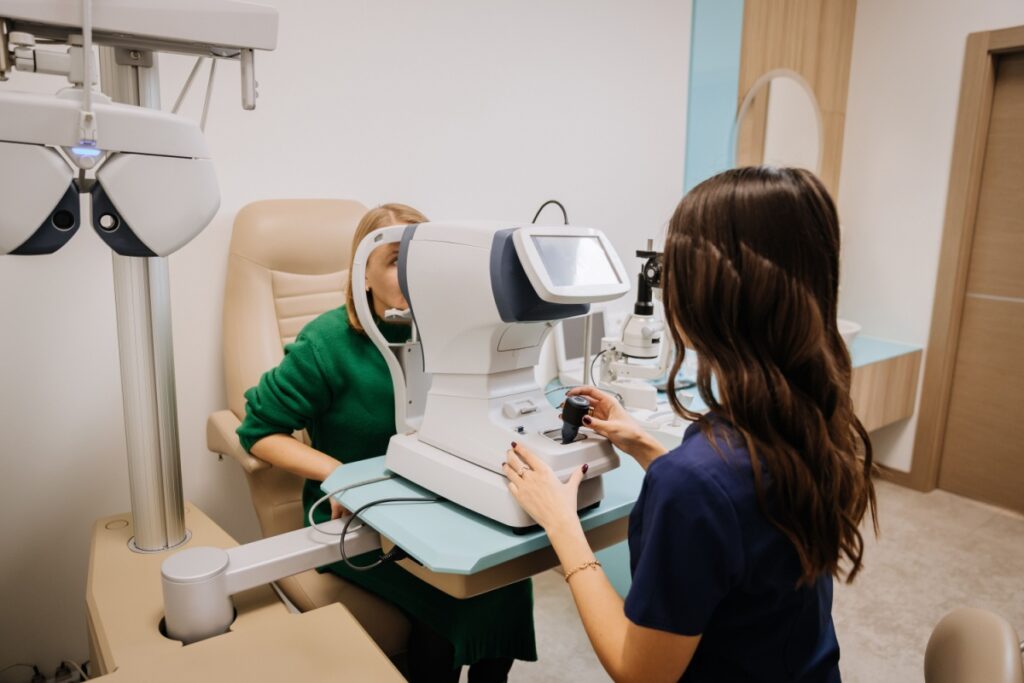
Using specialized tools, your optometrist gets a clear view of the structures inside your eyes. This important step, which may include a dilated eye exam, allows us to check the health of your retina, optic nerve, and the tiny blood vessels within the eye.
Why Eye Exams Matter for Everyone
Regular eye exams are important at every stage of life. From childhood through your adult years, your vision and eye health needs change. Consistent children’s eye care and adult exams support a lifetime of healthy sight.
For children, early and regular exams can identify vision problems that might affect their ability to learn and play. Diagnosing these issues early helps young students succeed in school and other activities.
These exams are also key for treatments like myopia control, which helps manage nearsightedness in kids. A proactive approach can support their vision as they grow.
As an adult, routine exams help track changes in your vision. This is especially important for people with diabetes, as it can eventually affect their eyes. They also screen for common age-related eye conditions, which often have no early symptoms. Early detection is key to managing many eye health concerns.
Find Solutions for Common Eye Issues
Your eye exam is the first step toward addressing specific vision concerns. Whether you feel discomfort or want to try a new type of vision correction, a thorough check-up provides the answers you need.
For example, if you experience gritty, red, or irritated eyes, an exam can help pinpoint the reason for your discomfort. From there, your optometrist can develop a plan for dry eye treatment to help your eyes feel more comfortable throughout the day.
If you’re interested in trying contact lenses, a proper fitting helps you wear them safely and comfortably. Your exam confirms your prescription and includes eye measurements to find the right fit for your lifestyle.
How Often You Need an Eye Exam
The recommended frequency for eye exams depends on your age, health, and any risk factors you may have:
- Children: First exam between 6 and 12 months, again at age 3, and before starting school.
- School-Aged Children (5–19): An exam every year to support their learning.
- Adults (19–64): An exam at least every 2 years.
- Seniors (65+): An annual exam to monitor for age-related conditions.
These are just general guidelines, and your optometrist can suggest a schedule that works for you. The team at Bluewater Optometry provides personalized care based on your unique needs.
Book Your Eye Exam Today
A comprehensive eye exam is an important part of your overall health routine. It protects your vision and helps you find solutions for issues like dry eye or the need for glasses and contact lenses.
If you’re looking for eye exams in Sarnia, then book your appointment with Bluewater Optometry so we can help you and your family see clearly.