
Your vision can change suddenly, and knowing when to seek immediate help can make the difference between preserving your sight and facing permanent damage. Eye emergencies don’t always announce themselves with obvious pain. Sometimes the most serious problems start with subtle changes you might dismiss.
You need emergency eye care when you experience sudden vision loss, severe eye pain, chemical exposure, or new flashing lights and floaters that appear quickly. Our team at Bluewater Optometry understands how frightening these situations can be and provides urgent care when you need it most.
Signs You Need Immediate Eye Care
When your vision changes quickly, your eyes are telling you something important is happening. You might wake up and find you can’t see clearly out of one eye, or notice that your peripheral vision seems darker than usual.
Here are vision changes to watch for:
- Complete or partial vision loss in one or both eyes
- Sudden blurry vision that doesn’t clear
- New blind spots or dark areas in your vision
- Flashing lights or floating spots that appear suddenly
Sharp eye pain is another sign that’s often a bit more straightforward that you require immediate attention. This isn’t the mild discomfort you feel after staring at a screen too long. It’s intense pain that makes it hard to focus on anything else.
This can include:
- Sharp, stabbing pain in your eye
- Severe headache with eye pain
- Something stuck in your eye
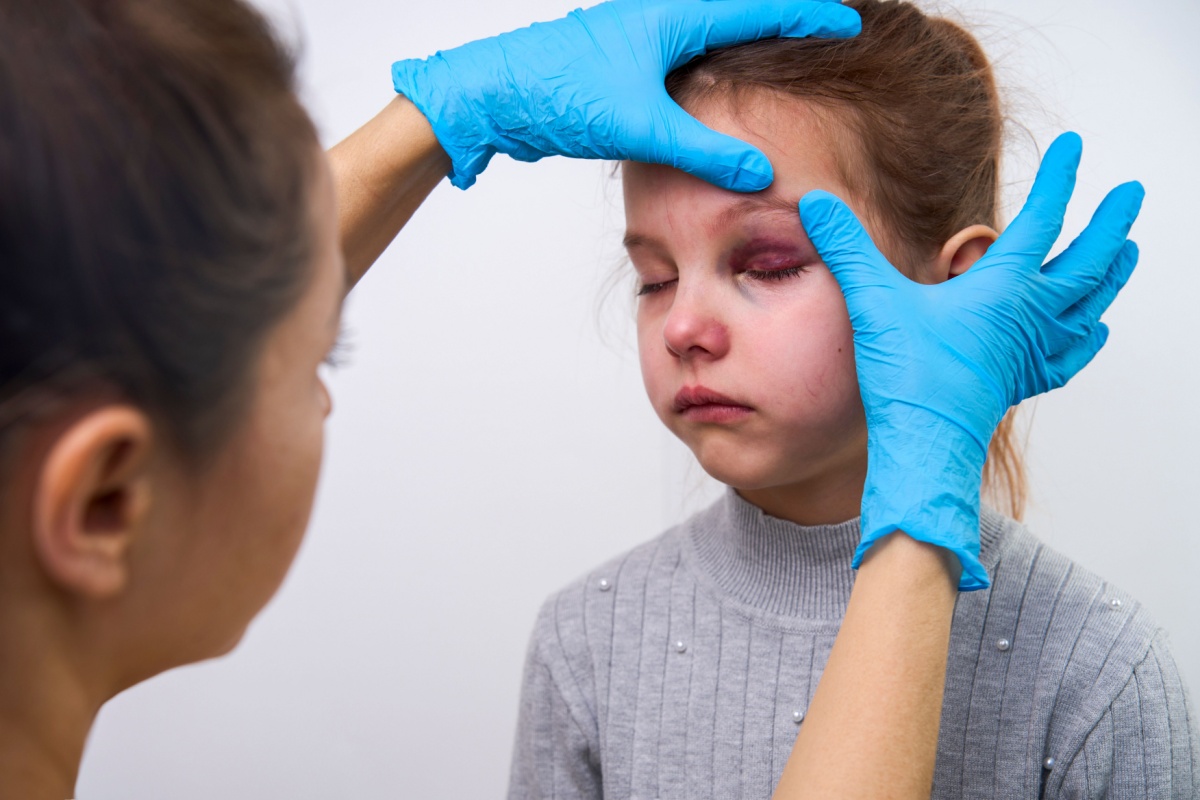
- Chemical splash or burn to the eye area
Understanding proper eye injury prevention can help you avoid many emergency situations.
Common Eye Emergencies and What They Mean
Eye emergencies come in many shapes and sizes, but these are a few of the common ones we deal with:
Retinal Detachment
Retinal detachment happens when the thin layer at the back of your eye pulls away from its normal position. You might notice a curtain-like shadow across your vision, sudden flashes of light, or many new floaters appearing at once. This condition requires immediate treatment to prevent permanent vision loss.
Eye Infections
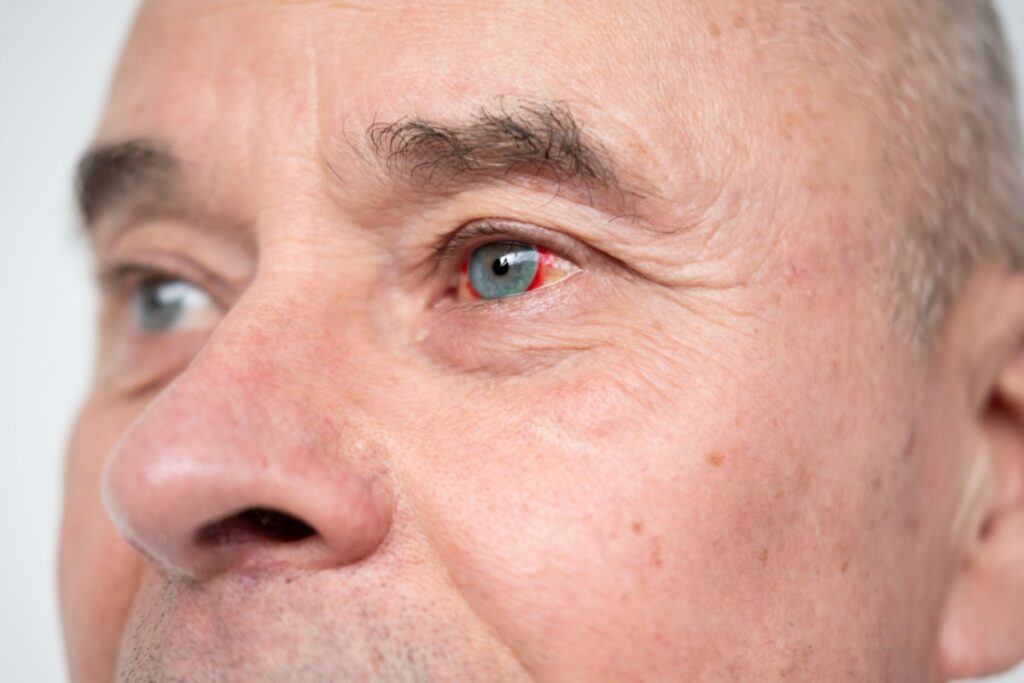
Some eye infections can damage your eyes if left untreated. Watch for thick discharge that keeps returning even after you clean your eyes, severe redness, or pain that gets worse instead of better. When infections come with vision changes, you need professional care right away.
Conditions like pink eye can sometimes be misdiagnosed as other eye problems, making professional evaluation important.
Glaucoma Attacks
Open-angle glaucoma often progresses without any symptoms, but its cousin, acute closed-angle glaucoma, develops rapidly when pressure builds up in your eye and can damage your optic nerve quickly. You’ll typically feel intense eye pain, see rainbow halos around lights, experience nausea, and notice your vision becoming cloudy. This type of glaucoma requires immediate treatment to preserve your sight.
What to Do Before You Get Professional Help
When you have an eye emergency, taking the right steps immediately can help protect your vision. Your instinct might be to rub your eye or try to fix the problem yourself, but gentle care works better.
Here are some essential tips to remember:
- Don’t rub or touch your eye
- Remove contact lenses if you can do so easily
- For chemical splashes, flush with clean water for 15 minutes
- Cover the eye gently with a clean cloth if there’s an injury
Proper emergency eye care response can prevent additional damage.
What Not to Do
Avoiding certain actions can prevent additional damage to your eye while you seek help, as many well-meaning attempts to help can actually make eye injuries worse.
- Don’t try to remove objects stuck in your eye
- Avoid using eye drops unless told to do so
- Don’t apply pressure to an injured eye
- Skip home remedies or treatments you find online
Using expired eye drops or improper treatment can worsen an emergency.
How Regular Eye Exams Can Prevent Emergencies
While accidents do happen despite every precaution, many eye emergencies develop from conditions that show early warning signs during routine eye exams. An optometrist can use specialized technology to detect issues such as glaucoma, retinal problems, and other concerns before they become urgent.
This can be especially true for kids, as they can develop serious conditions without communicating obvious symptoms. Seniors also face higher risks for conditions like glaucoma and retinal detachment, so regular monitoring through comprehensive exams helps prevent emergency situations from developing.
Don’t Wait When Your Vision Is on the Line
Quick responses are essential in an emergency situation, and you can’t put off treating an eye injury. If you require medical attention, call our office immediately at 226-784-2212. If it’s after hours, please go to your nearest emergency room for care.
Don’t wait to seek help when you experience eye emergency symptoms. Contact Bluewater Optometry right away to protect your vision and get the professional care you need.