
Drusen and Early AMD: What Those Spots on Your Retina Mean
Your optometrist mentioning tiny deposits on your retina during a routine eye exam may leave you with more questions than answers. It can feel unsettling to hear something unexpected about your eyes, especially when you hadn’t noticed any changes in your vision.
Those deposits are called drusen, and they’re one of the earliest signs the retina may be at risk for age-related macular degeneration (AMD). This condition can gradually affect central vision if left unmonitored. Finding drusen early gives you and your eye doctor a valuable head start.
What Drusen Actually Are
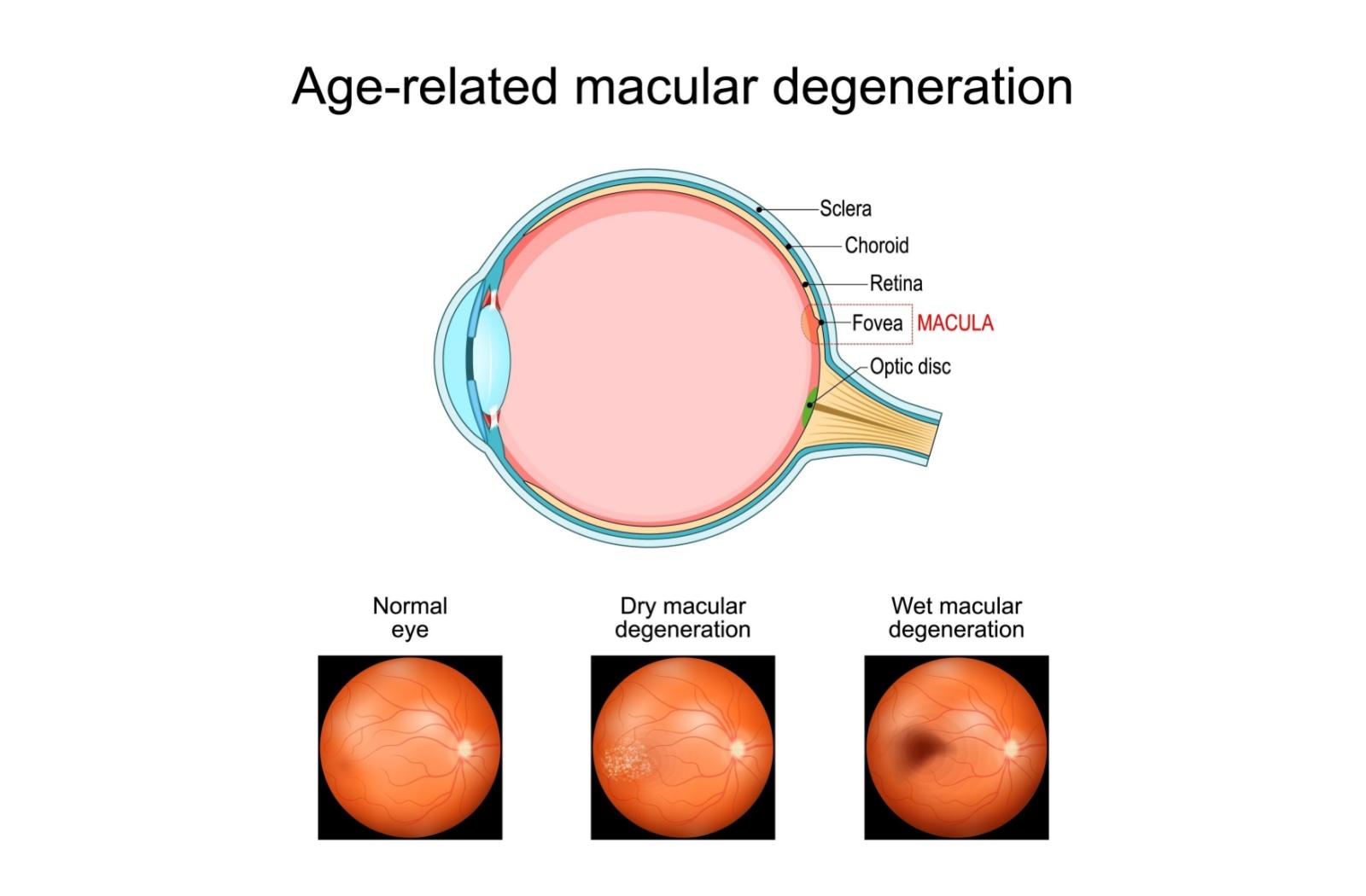
Drusen are small deposits that form underneath the retina, the thin layer at the back of your eye that processes light. They’re made up of proteins and fats that your eye cells produce as a natural part of aging. Over time, these cellular byproducts can build up and become visible during a retinal exam.
While they sound similar, drusen aren’t the same as floaters or other spots you might see in your vision. You can’t see drusen yourself. They show up under examination, not as something drifting across your field of view. They sit quietly beneath the surface of the retina, which is exactly why regular eye exams are so important for catching them.
How Drusen Connect to AMD
Not all drusen carry the same level of concern. Small drusen, often just a handful, are common in adults over 50 and tend to carry a lower risk of progressing toward AMD. They may stay stable for years without causing any vision changes.
Larger drusen, or a higher number of them, require closer attention. When deposits grow in size or cluster together, they can signal that the retina is under more stress. That is when a structured monitoring plan becomes especially helpful.
Early AMD is often invisible. With no blurry vision, distortion, or obvious signs that anything has changed, it is incredibly easy to overlook without regular retinal exams. Many people with early AMD go about their daily lives without noticing anything different.
Late AMD is a different story. Central vision, the sharp and focused area you use for reading, recognizing faces, and driving, can become more directly affected as the condition advances. Diagnosing AMD in its early stages gives you more options and more time to respond thoughtfully.
AMD Signs and Symptoms
While AMD can be hard to notice in its early stages, vision changes may start to appear if AMD progresses. These signs are worth bringing up with an optometrist right away:
- Blurry or wavy central vision
- Colours appearing less vivid than usual
- Difficulty reading in low light
These changes tend to come on gradually, making them easy to dismiss at first. If you’ve noticed any of these shifts, even mild ones, mentioning them during your next eye exam can make a huge difference for your treatment. Your optometrist can help you understand what those changes may indicate and how to respond.

What a Retinal Exam Can Reveal
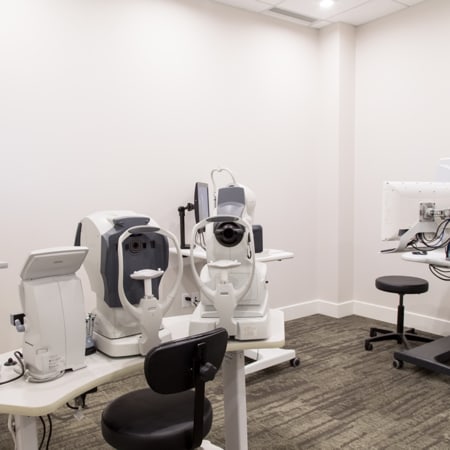
Retinal imaging can give your optometrist a detailed map of your retina, showing the size, shape, and exact location of any drusen present. This level of detail helps distinguish deposits that need watching from those that are less of a concern. It also creates a baseline so future visits can show whether anything has changed.
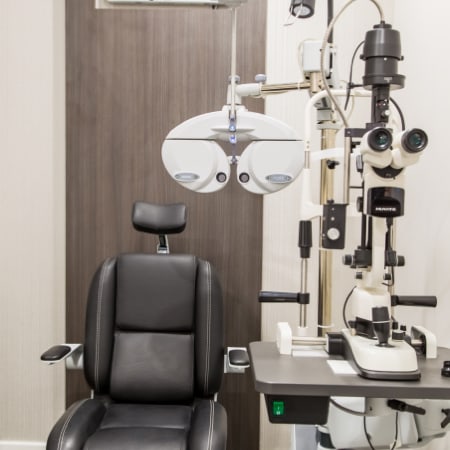
A dilated eye exam takes things a step further by giving a closer, direct look at the back of the eye. Dilation widens the pupil so more of the retina is visible, achieving something a standard exam alone can’t. Together, imaging and dilation give a much clearer picture of your retinal health.
Why Regular Eye Exams Are Essential
If you’re 40 or older, more frequent retinal checks can help your optometrist catch changes before they progress. AMD risk increases with age, making your retinal health a higher priority as the years go on. Scheduling a yearly or biannual exam, depending on your risk factors, keeps you informed.
Optometrists use imaging technology to track retinal changes over time, so nothing slips through the cracks between visits. Building a long-term record of your retinal health provides genuine reassurance.
Steps You Can Take After Your Diagnosis
Hearing that you have drusen doesn’t mean you’re left waiting for something to go wrong. There are practical, proactive steps that can support your retinal health moving forward:
- Schedule regular monitoring appointments so any changes are noticed early
- Protect your eyes from UV exposure with quality sunglasses when outdoors, as UV light from sun exposure can contribute to eye damage over time
- Eat a nutrient-rich diet full of leafy greens, colourful vegetables, and omega-3s to support your retinal health.
- Ask the optometrist near you about a personalised monitoring plan tailored to your situation
Take Charge of Your Retinal Health
You can take an active role in your retinal health, and the process starts with staying informed. The team at Bluewater Optometry is ready to help you understand exactly what your exam results mean and determine the best steps for your eyes.
Don’t wait for your vision to change. Reach out today to book a retinal exam and get a clearer picture of your eye health!